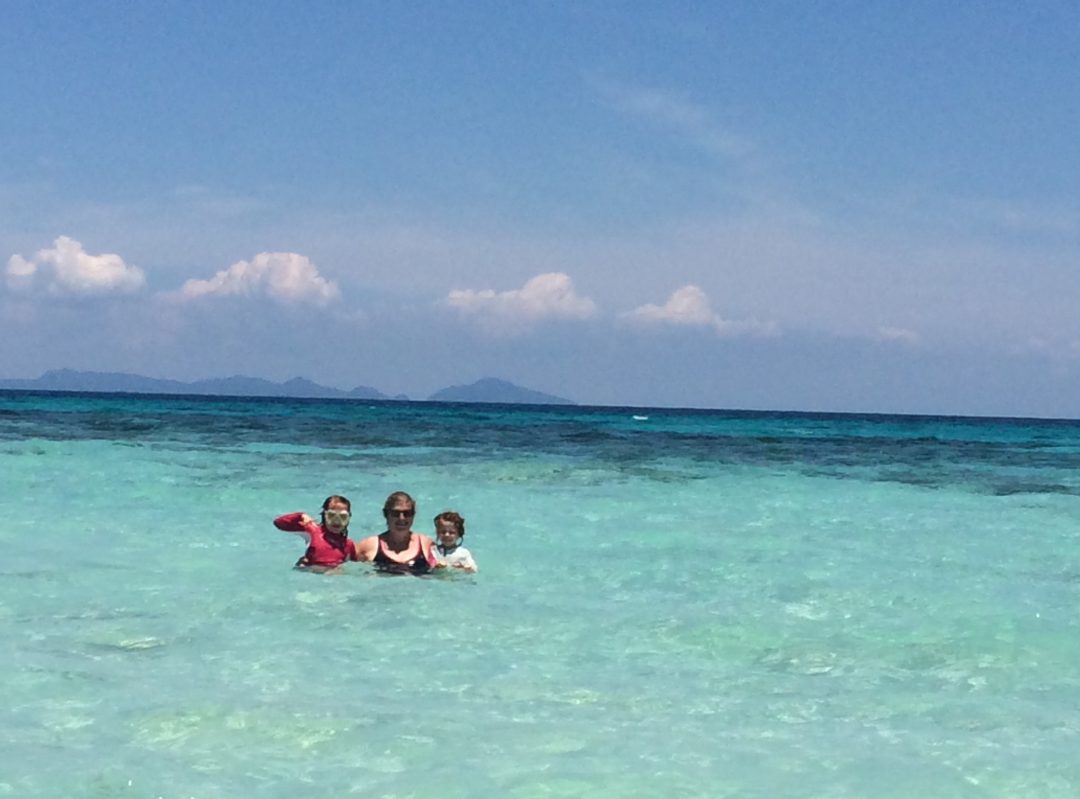
Cambodia is a profoundly beautiful country. Amazing jungles. Exceptionally friendly people. A fantastic coastline with dazzling beaches. And some of the best fresh fruit I have ever enjoyed.
It also has a growing economy with rules that seem to be quite flexible and enforcement that also seems to be quite flexible. Hour Drive from bottom bang to the coastal region past approximately 250 km of roadside and I do not believe that more than 2 m went by where the roadside was not completely covered with rubbish. There is a different mindset all together here with regards to trash. It is just everywhere. Including the beach.
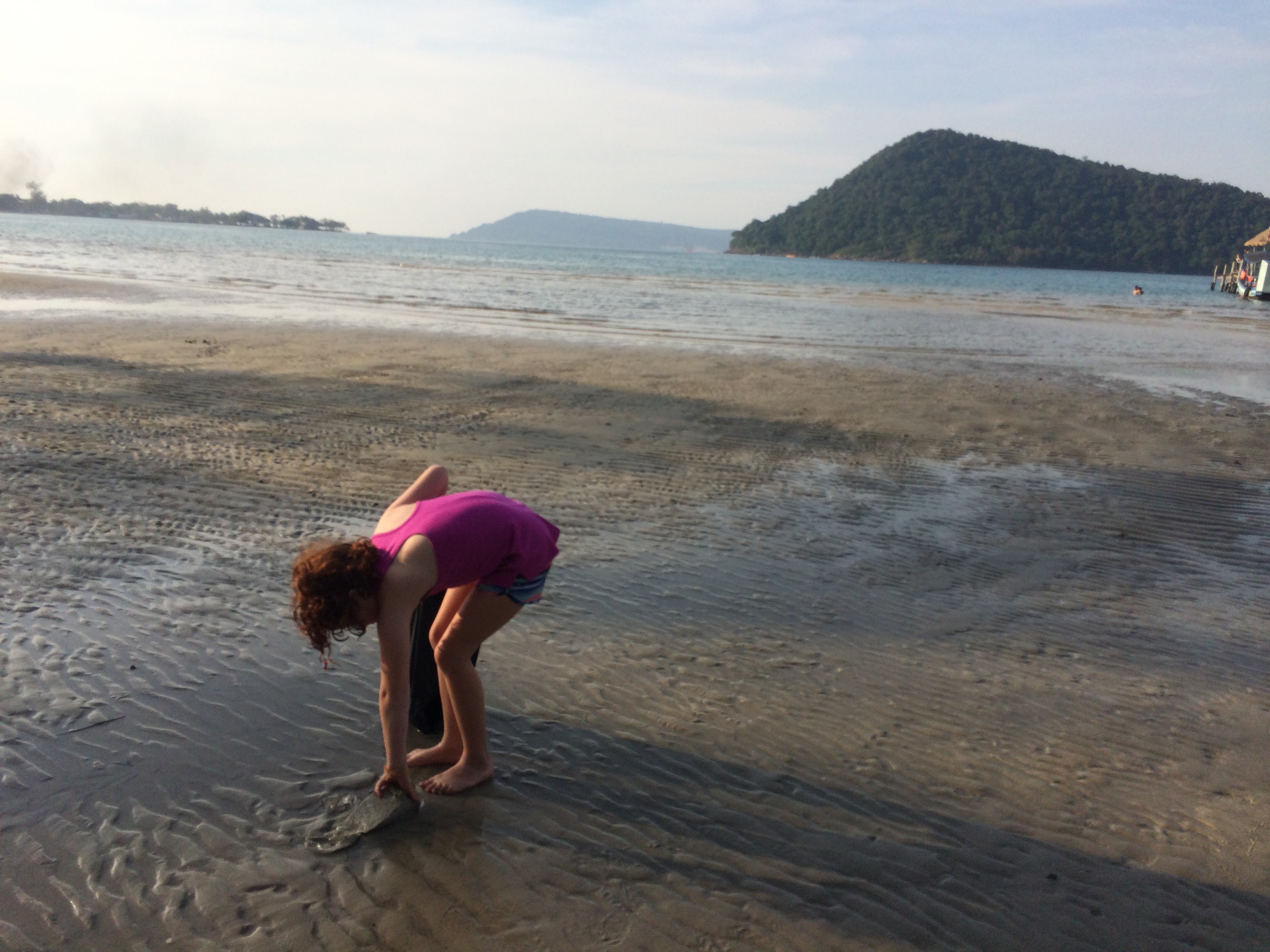
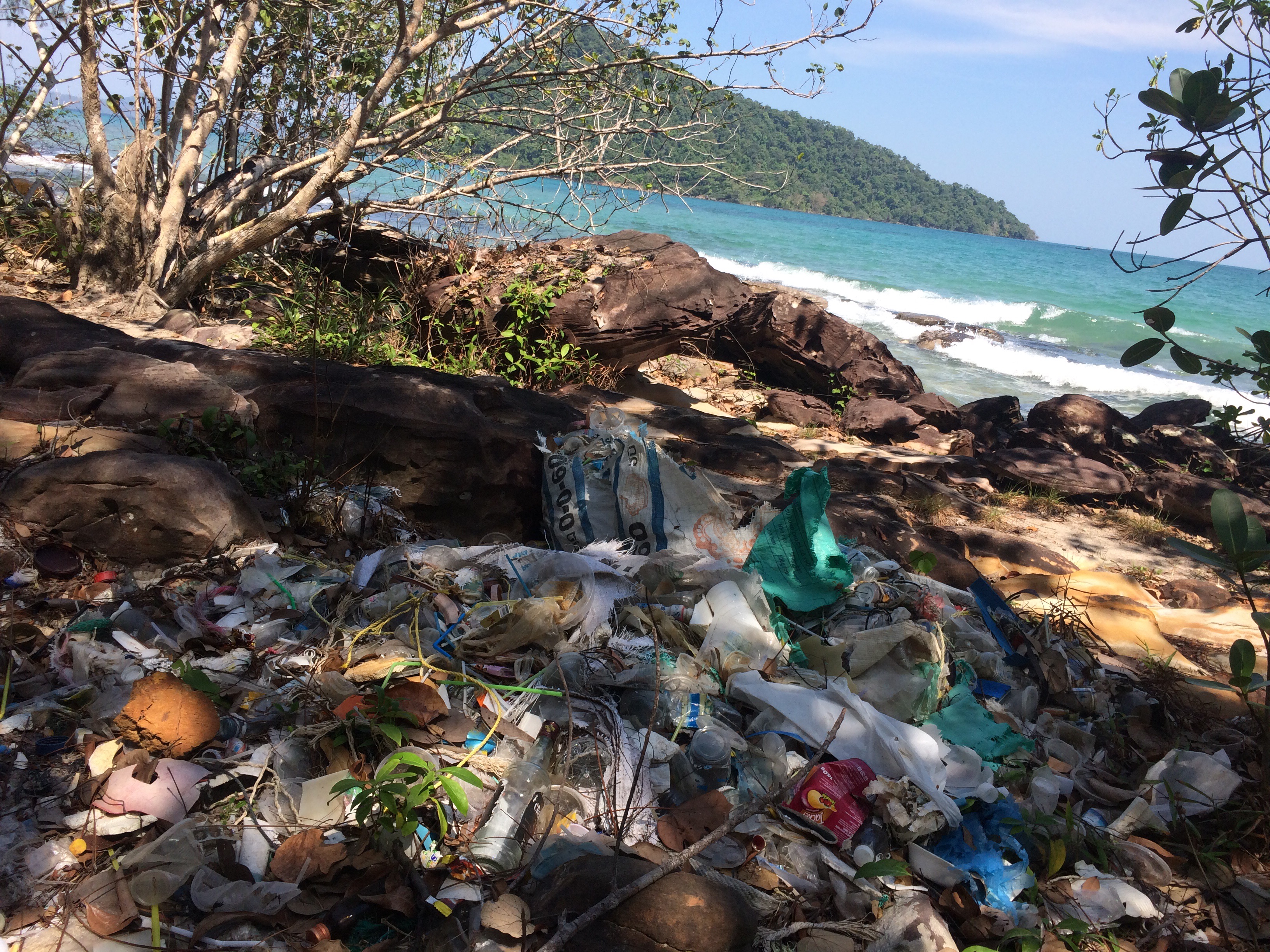 The hotel where we were staying offered a free drink to every person who collected a garbage bag full of trash from the beach. We took advantage of this offer on three of our days at this stop on our journey and thoroughly enjoyed our cold orange Fantas.
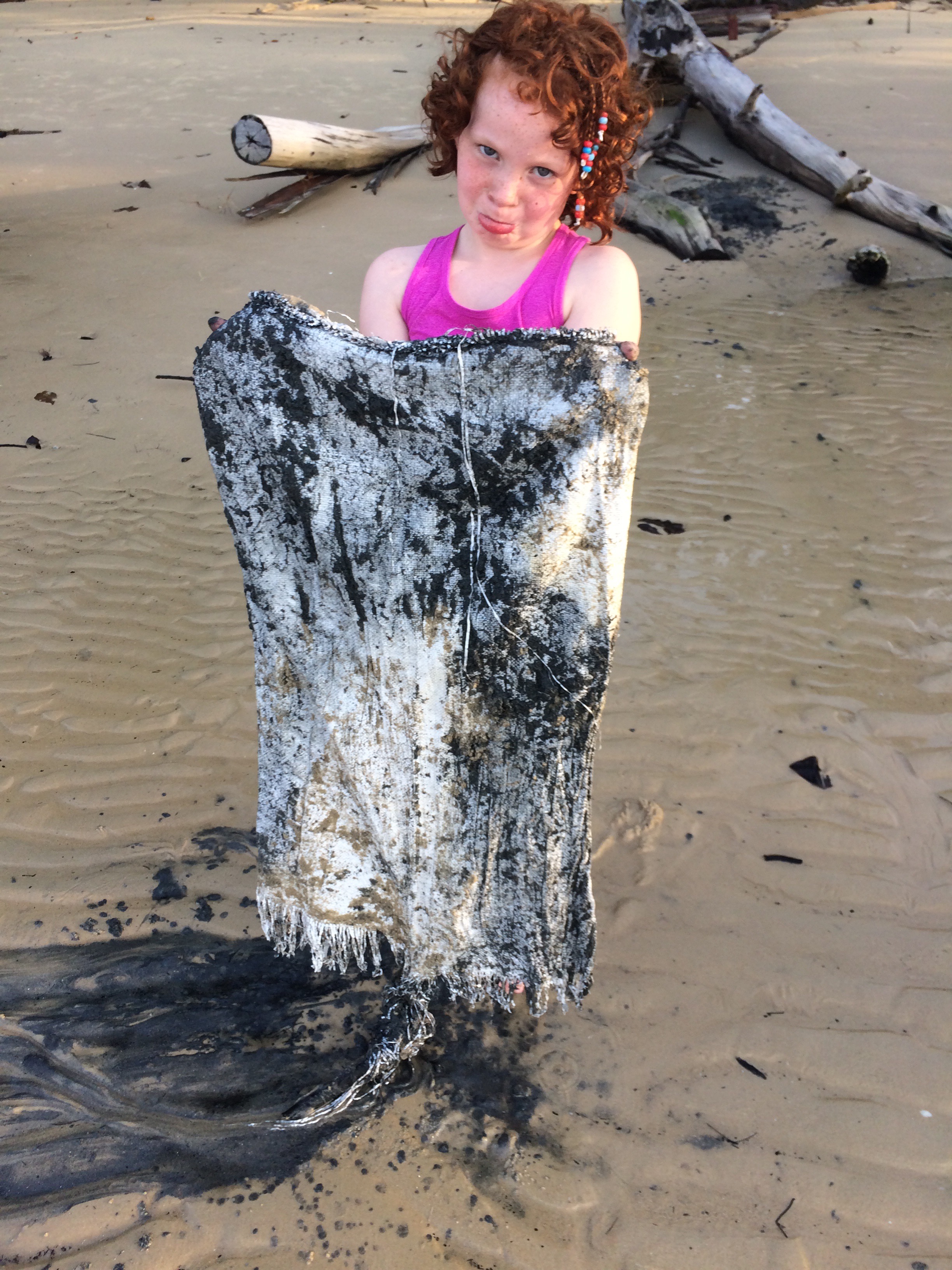

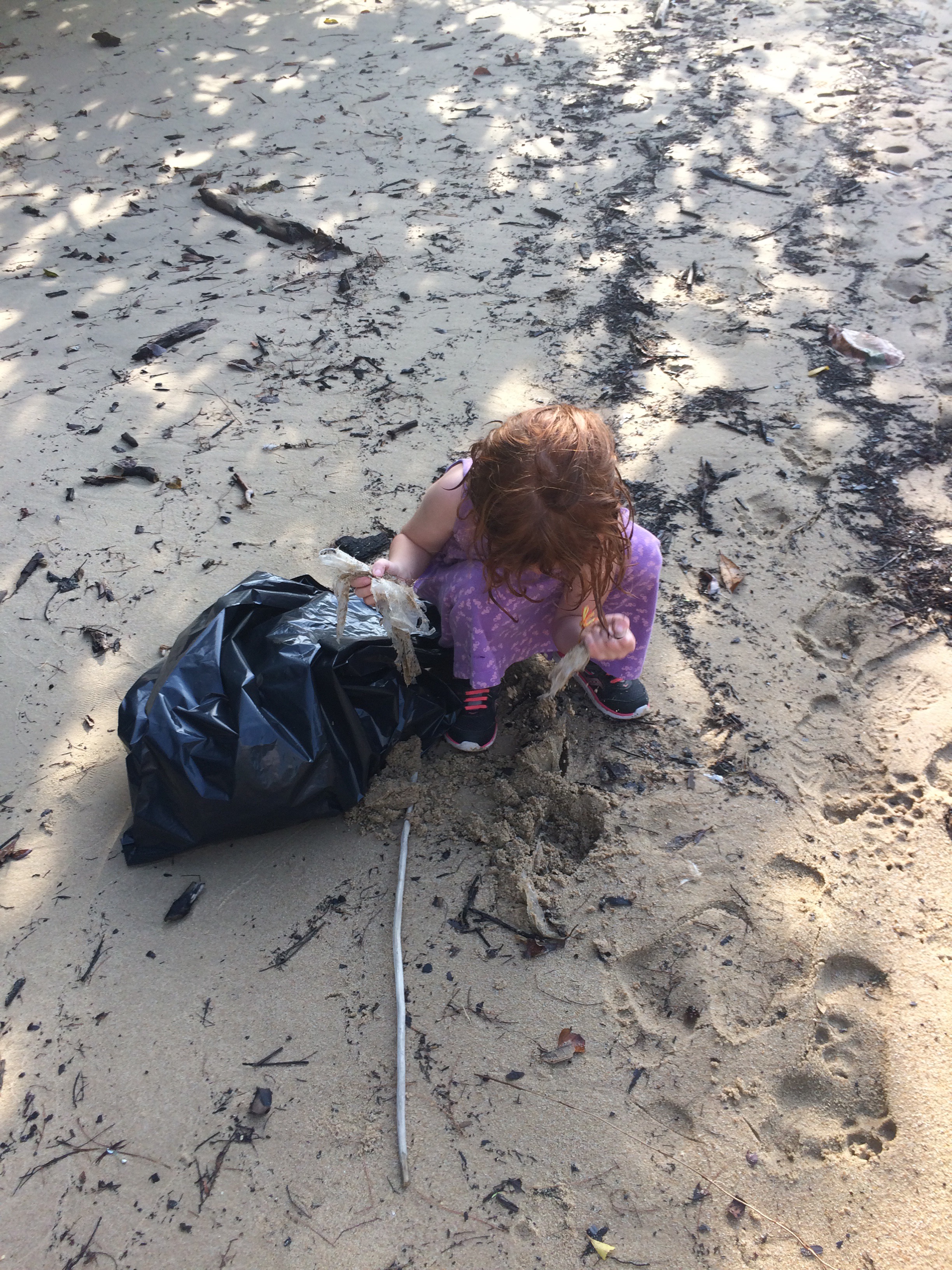
My perspective on garbage is, of course, heavily influenced by my western liberal education. And while I certainly do not enjoy the site of garbage along the roads, in the ocean, and on the beach, I think I understand The Cambodian perspective, at least to some extent, on this matter.
I do not remember which grade school teacher planted this idea in my brain (although I wish I could give him or her credit here – and I think it was Mrs. Kerek – my no nonsense grade 7 and 8 science teacher): when it comes to garbage, there is no away. It is very common for us in North America it to say “throw it away” when referring to something that no longer has any use or value to us. And this is The attitude that we take towards our waste. The difference is that we choose to keep all our waste in the same place in the form of a landfill site while average Cambodians have zero access to public services such as kerbside waste collection (let alone healthcare, education, or safe municipally provided drinking water). So they just keep their garbage on the ground. Or throw it in the river. Or toss it in the ocean. But really I’m not sure there is any difference between us in this regard. I think it is a matter of priorities. When you have to work so much harder than the average North American does just to survive, where you put your garbage must fall fairly low down on the hierarchy of things to care about.
And when I step back and think about it, it seems entirely conceivable to me that some of the garbage on this beach could very possibly be mine. It all looks like stuff I have consumed in the past. Toothbrushes, drinking straws, plastic cups, bottle caps, plastic bags upon plastic bags upon plastic bags, shampoo bottles, juice boxes, beverage containers, tires, containers of household cleaner, more plastic bags, take out Styrofoam food containers, plastic cutlery, and so much more… And that is just the stuff that floats! Imagine the stuff that has sunk to the bottom of the sea before it reached these ones pristine Cambodian Shores.…
The sunsets here looked like this pretty much every day of our five days at the beach. 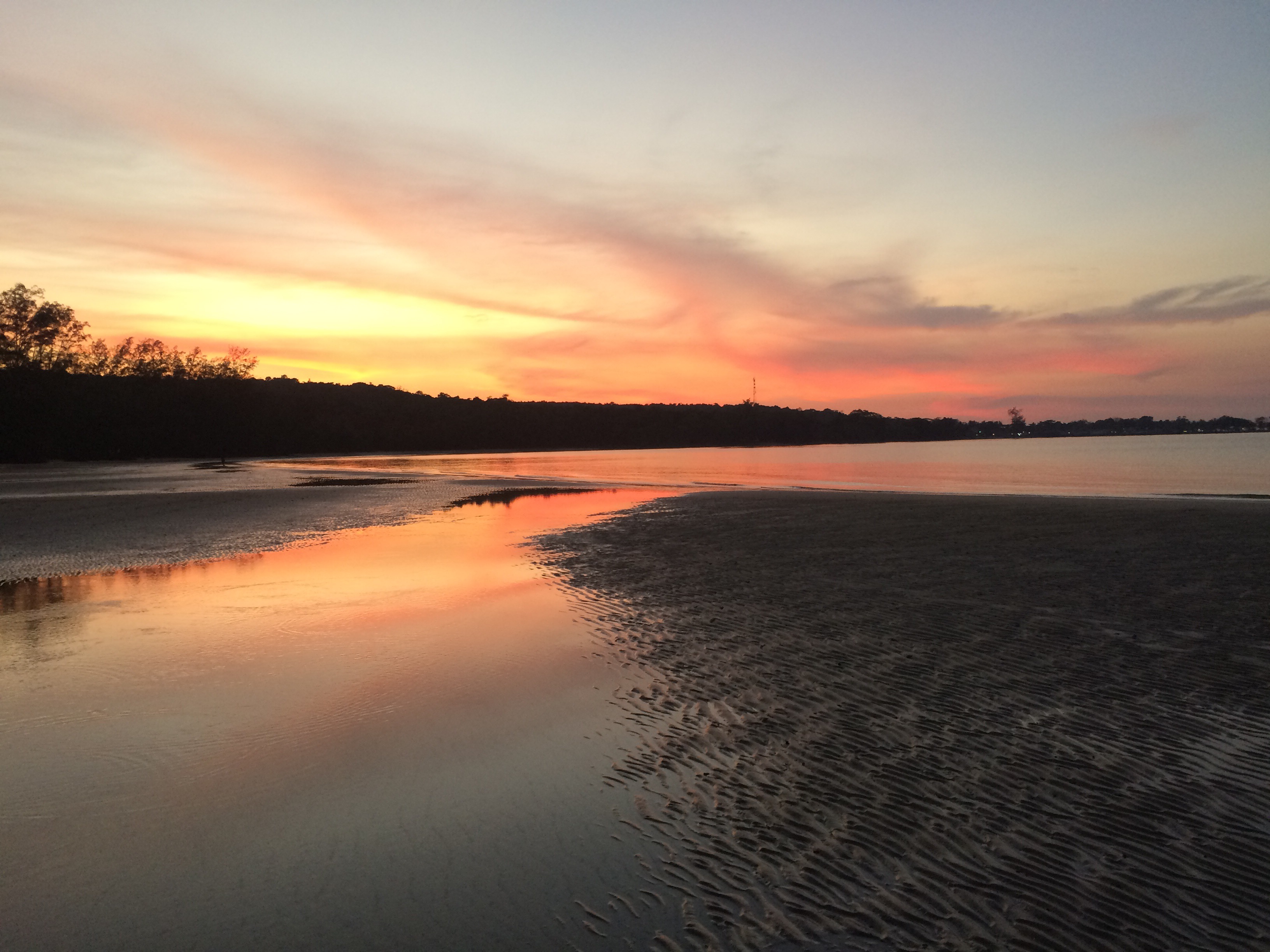
Sunset was low tide. And then overnight The tide would roll back in and no matter how much garbage we had picked up along our tiny stretch of this tropical paradise in the morning it look like this all over again.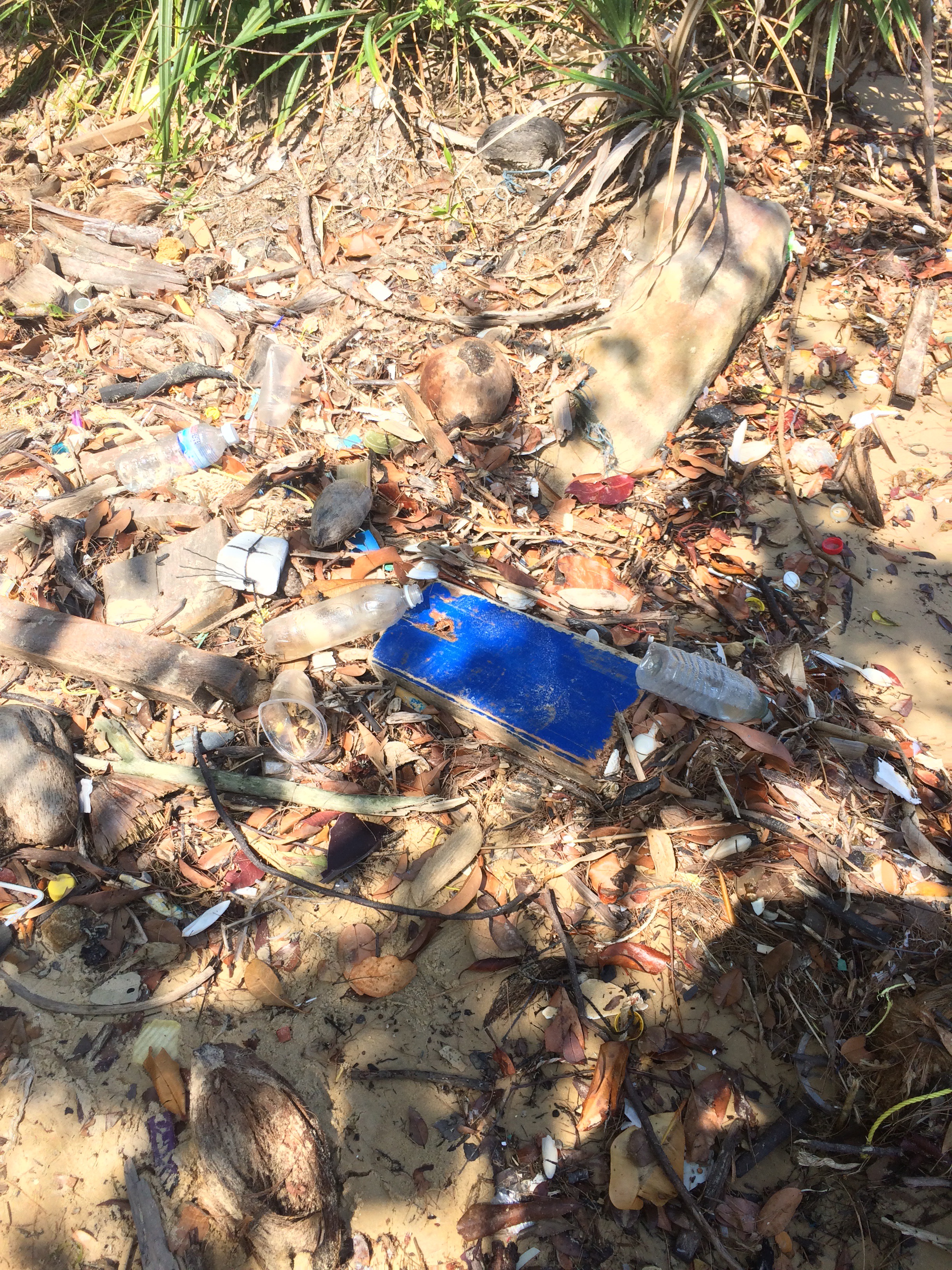
And that is why I think I understand what seems to be the typical Cambodian’s attitude towards garbage. Why it is entirely normal, to Toss stuff out the window while driving down the road or burn refuse out front of the home or just leave it in the ditch, or heap it in a pile where stray dogs and grazing cattle can rummage through it. It is because the problem has become completely insurmountable.
Sadder still is the fact that some who travel here seem to show little if any regard for their own impact on the situation. In the picture below Arden is pointing at a crumpled up piece of paper towel at some numbskull has carefully planted into this nook amidst this intricate root ball of a rather large tree that succumbed to the effects of a erosion. It is hard to see in the picture so he will just have to trust me that it’s there. I was struck by this site for two reasons. First, it was the only piece of paper I saw amongst all the litter we collected and passed by on the beach – Paper of course disintegrates eventually in water. Second, I was completely dismayed and flabbergasted by the fact that someone would go out of their way to put this piece of trash there when I could so easily have been put in a more responsible place.
I know believe that everything I have ever heard or read about the Pacific plastic patch must be true.

 3 Ginger Snaps
Sad sad sad but point well taken
LikeLike
A big eye opener for sure and a good analysis by you.
My first large scale experience with this was in China. Huge amounts of garbage in the cities we visited. The good news, if any, was that there was a lot of recycling too. Cardboard for sure, but I also remember seeing a pile of plastic bottles approximately the size of an airplane hangar (as in, HUGE) as we were on the train from Nanjing to Shanghai. Tourist areas such as the Great Wall and the Forbidden City are quite clean, and in Tiananmen Square, labourers were scraping the discarded chewing gum off the pavement.
India was worse, much much worse. The Mumbai harbour is a cesspool. We watched a nice looking family drink cokes on the upper deck of our ferry boat and placed bets on where the empties would go. Each one went over the side of course, even though the boat had a garbage can nearby. Agra was even worse. We saw people just throw their garbage out of their houses into the little drainage ditches on either side of the street. In one district the pigs and cows were rummaging through waste ankle deep or deeper on the road itself, with much bigger piles by the side of the road. Even in Bangalore and Delhi (much richer cities), we saw lots of garbage, and also some confusion as to whether or not the street was meant to be a public toilet or not.
Like the pictures you sent, there was lots of child labour to sort out anything of vale (cardboard, plastic, metal, god knows what) from the rubbish. To be clear, that wasn’t an effort to clean up, the stuff they didn’t want just got tossed again.
I think your “priority” observation is spot on. Go look at aboriginal settlements in Canada, the shanty towns outside Cape Town, or Rockhaven’s back yard for that matter, and you’ll get further proof.
Hope the kids washed their hands before the next meal!!!
LikeLike