This is Izzati, pictured here after returning from a morning boat run to check local beaches for nest sites.
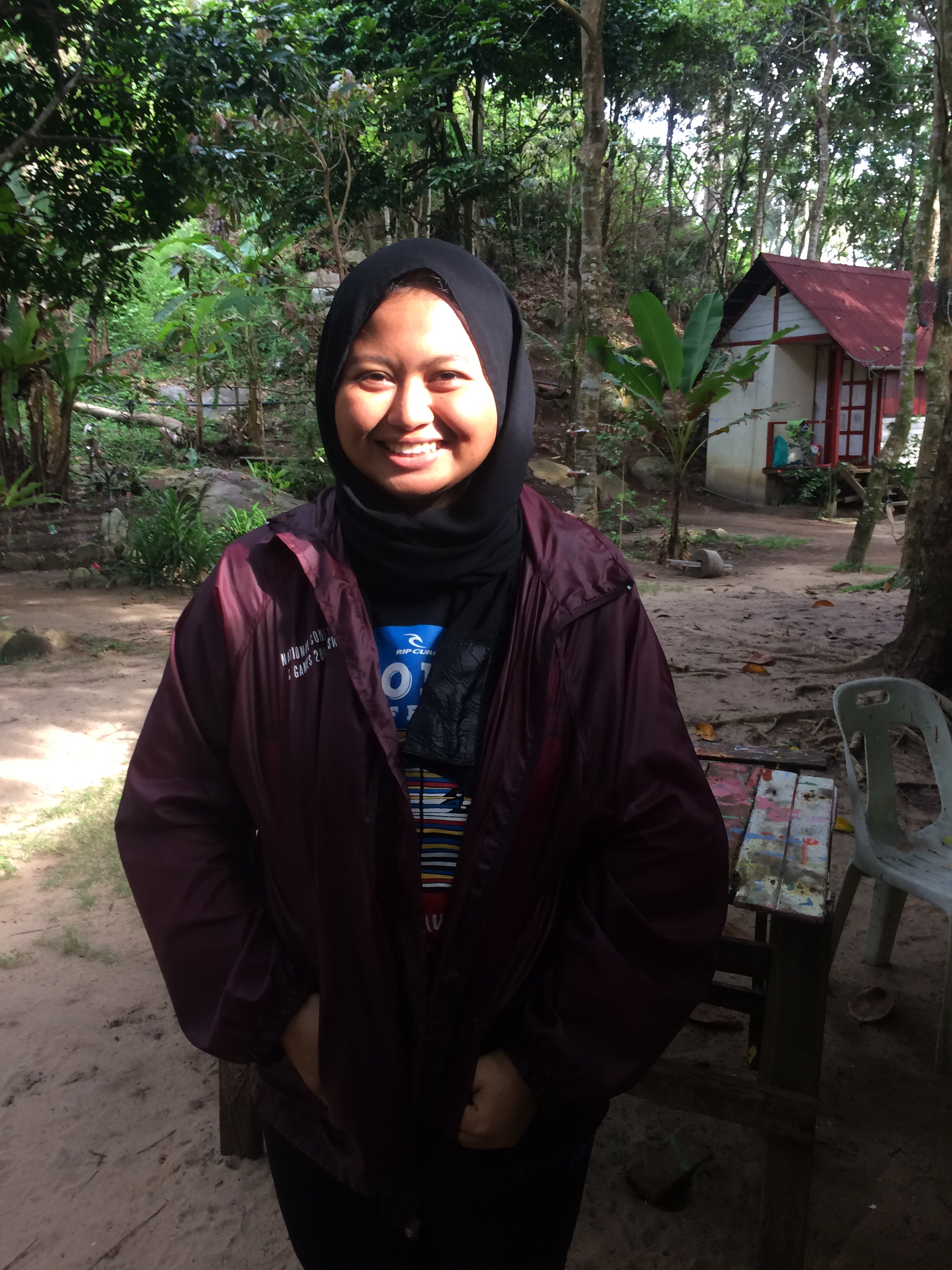
She is the 29 year old Malaysian who is responsible for day to day operations of the project. She was born, raised, and educated in Perlis Province in North Western Malaysia, a 14 hour bus ride from the Turtle Project. She tells me that the people in her hometown don’t understand why she works so far away. At the end of her secondary education Izzati was given a rare opportunity by the Malaysian government to participate in a quasi-internship program. She spent 6 months working working in the field of marine biology and discovering she had a passion for that particular area of study. From there, she got an even rarer scholarship from her national government: 3 years paid tuition, room and board to study marine biology at the University of Queensland in Brisbane, Australia. While she was there, she took advantage of the opportunity to make some money on the side and worked about 4 hours a day, 2 before class and 2 after, as a cleaner in a hotel. She says it is the best money she has ever made. Izatti is very funny and laughs frequently. She is direct in her communications. She is kind and welcoming to all the volunteers at the project although she seems to have a soft spot for the kids and the feral cats. And, she is fiercely determined. By any measure that I can think of, she is fighting a loosing battle here on Tioman Island.
Tioman Island is a resort island 50km off the east coast of Malaysia. Back in the 1970s Time Magazine ranked it as one of the top ten places in the world to go scuba diving. The island is everything you would want out of a tropical paradise. Lush jungle, coral reefs, narrow roads traveled by scooters, small ocean view restaurants staffed by families where the fish on the grill was caught earlier that day, and beaches. Beaches that dazzle and delight. The Juara Turtle Project sits at the end of one of these beaches and the beaches are just one of the the battle grounds in the effort to save sea turtles.
There are 7 species of sea turtles and they are all endangered. Fishing nets are a major threat. If a turtle gets caught in a net it drowns when it can’t surface for air. Threats also include poachers who catch the turtles for meat or dig up the nests to sell the eggs in markets or feed their families. Laws exist against these practices in some parts of the world and not in Malaysia. And of course – everyone knows about the garbage problem in the ocean. Turtles can’t tell a plastic bag from a jelly fish and so it is common for them to choke on bags mistaken for food. Turtles also have plenty of natural predators. Birds pick off the hatchlings, often before they make it to the water for their first swim and sharks, dolphins and orcas all eat turtles. And if all those threats weren’t enough, there’s the beaches. Turtles spend very little time out of their 120 – 150 year life span on land but females require beaches to dig their nests and lay their eggs. When development happens at the edge of a beach and the vegetation line is lost and ambient light floods out from resort restaurants and hotel rooms and walkways, turtles stop visiting those beaches to lay their eggs. Historically speaking, Tioman Island had about 50 beaches that were known sea turtle nesting sites. As of 2017, that number is down to 4 and could drop to 3 this year.
This morning, I meet Izzati at 6:30am so we can head out and look for fresh nests. We are here right at the start of nesting season and the beaches need to be checked everyday. I climb on the back of the scooter we will ride to the boat launch. Petrol and a stroyfoam cooler box ride in homemade sidecar along with life jackets and a dry bag. Izzati told me the night before that she had a report from a local dive company that turtles had nested on nearby Coral Island. With some luck, we can find the nests even though they have been there a while.
We coast into the meeting point on fumes, the scooter sputtering as we come to a stop. Everything – from fresh vegetables to petrol, is always in short supply here. We meet up with the boatman by wading out into the shallows with our gear. He puts one end of the siphon hose into the petrol can we’ve brought with us and the other into the boat’s empty gas can. He blows into the petrol jug to try and start the siphon but after several attempts nothing is moving and Izzati shoes him away and sits down next to the petrol can. She unwraps a length of her hijab, puts it over the mouth of the petrol can to try and create a better seal and blows as hard as she can. After 5 or 6 attempts nothing is moving. She tells me to try. I use her the length of headscarf and blow with all I’ve got – the siphon starts. Izzati pokes me in the shoulder, hard “I already filled it 95%” she exclaims with a hint of exasperation. “Beginners luck” i reply.
With the tank filled we are on our way. The lights from distant fishing boats rise and fall on the swells. The expanse of the sea betrays their true depth. This is the first time I have been this up close, this exposed, this vulnerable on the ocean. We are in a 4′ wide 16′ long fibreglass boat. I’ve spent many hours in boats just like this one. But today it feels different. I double check the buckles on my life jacket. I do up the crotch strap. This is the ocean like I have never seen it before. This is not the time or place to be messing around. About 10mins into the boat trip Izzati calls out to the boatman in Malay. As he slows down I look around to see if I can figure out why we are stopping out here. The boatman stands up and moves to the back of the boat and Izzati takes his place at the wheel. She opens up the throttle – all the way. Izzati knows that this scouting mission to find a fresh turtle nest, just like every other mission, is a race against the clock. Monitor lizards patrol the beaches looking for turtle nests and they are well equipped to dig up the nests and devour the eggs. When staff from the project find nests that lizards have raided, they collect the broken egg shells and dispose of them out at sea. Turtles are well known to return to the same or very proximate nesting sites and the staff don’t want to leave the scent of freshly eaten eggs on the beach for the lizards to be able to retrace their steps.
We race along the coast of Tioman Island. Boulders shaped like baked potatoes and the size of grand pianos cover the shoreline. Ten metres of rocky coast gives way to steep green slopes. The sun rises. Dragonflies defy reason and crisscross the path of our boat. Twice Izzati points towards a spot on the water and twice I look too late, only to see water boiling to the surface as it rushes to fill the space where a turtle used to be. Coral Island comes into view and our collective anticipation builds. I silently lament having forgotten my camera. I can tell that this is going to be a profound adventure.
We arrive after a 35minute trip across the water to a beach that is covered with plastic debris. Purses, plastic water bottles galore, bags, tires, a massive fishing net. I estimate that there is more than enough garbage here to fill a dump truck along this beach that is about 100m long. Izzati is used to the rubbish but vocalizes her dismay all the same “the rubbish here drives me crazy.” She says. But it doesn’t slow her down. There are no fresh tracks on the beach but she knows turtles have nested here recently and so she is searching for the characteristic body pits that females leave behind. We find two! Our boatman has brought a 1m long piece of steel rebar bent into the shape of a J to shore with him and begins prodding the sand searching for the egg chamber. He finds a patch of loose sand and begins to dig but all he comes up with is one broken shell. Izzati explains: poachers. Broken shells are the sign that the lizards got their first. But no shells means it was people. Probably a local snorkel company. Divers are more conservation minded and have more international leadership involved but snorkel outfits tend to be run more by locals and in this part of the world collecting turtle eggs is a pretty ancient way of gathering food.
We check out two more beaches on coral island and come up empty handed. We stop at another beach on Tioman and clamber over rocks and exposed corals at low tide to get to the sand. Lots of garbage, no nests. We are going back to camp empty handed.
I am fascinated by the experience and there is more about it that I cannot comprehend then what I can. I start to make mental notes of all the things I want to ask Izzati. And for the rest of the boat ride I do my best to admire her for her confidence and her unwavering belief that, after 6 years of involvement here at the turtle project, she somehow knows that she is here making a difference. 5 days at turtle camp and no signs of turtles. The westerner in me is starting to get restless.

 3 Ginger Snaps
Drew, how I wish I could have been with you on this amazing adventure!
The way you describe your time almost makes me feel that I was there in that boat with you. We have often gone together on boat rides but never in such an exotic place.
You have always loved turtles & you have rescued some from the road into Kahshe!
We appreciate the work done to save the sea turtles.
Love you.
Mom
LikeLike
What an experience…
LikeLike
Beautifully written!!
An amazing experience for you, but frustrating too. The amount of pollution is truly scary and getting worse all the time.
LikeLike
Drew, great descriptions. I like your writing style. Besides teaching and running a camp, I think you could write. A common theme on the trip seems to be plastic refuse. Wonder if it is possible to live a in today’s world without this polymer?
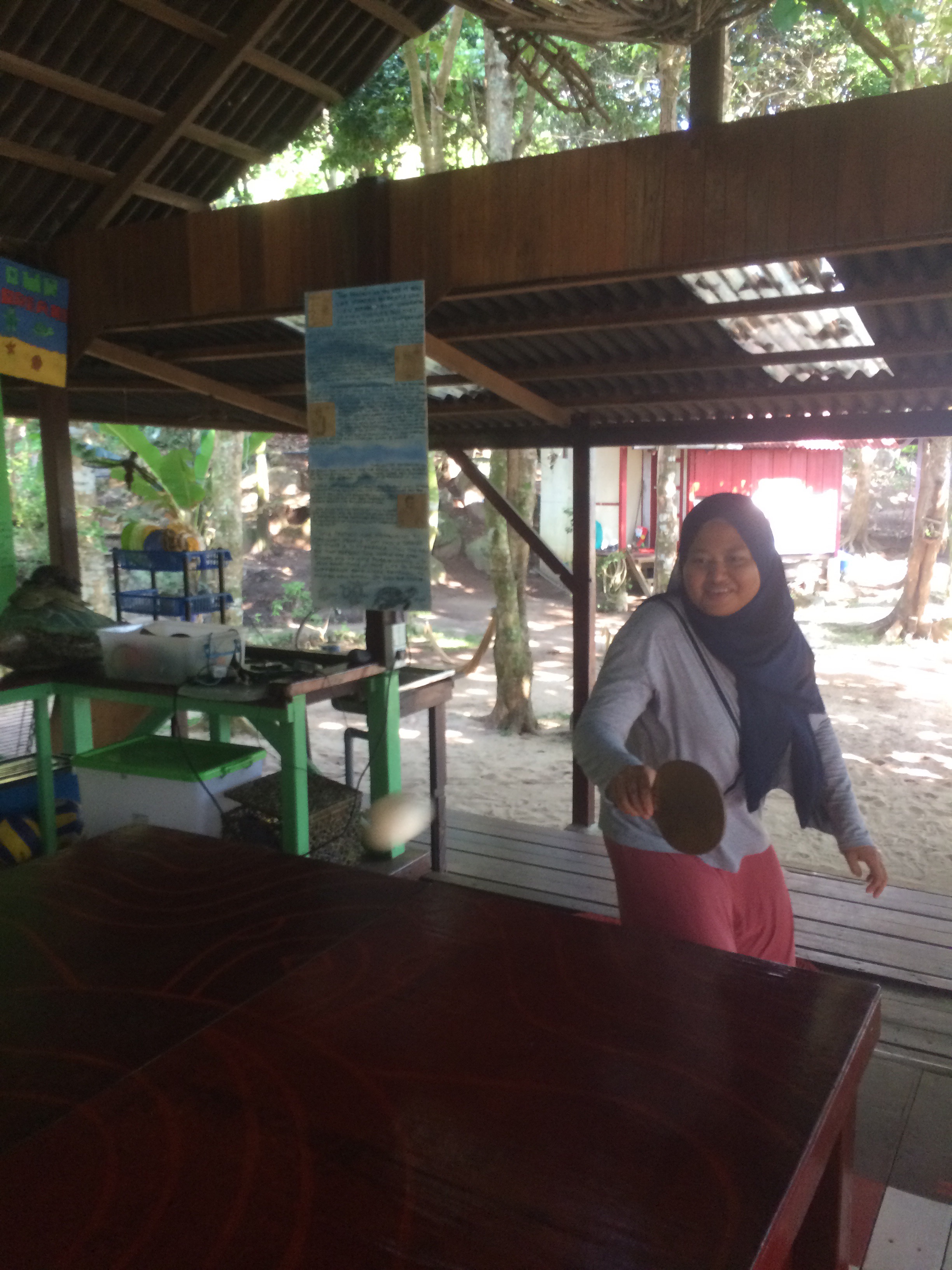
How was Izzati’s table tennis game? Also, I like your line about Western impatience.
Are you following the Jays? Don’t waste your time because they are sucking.
Also, Trump is now going military to Go Guy along with his wild entertainer bit.
NHL playoffs are on and Leafs are giving Capitals a serious go! Series is tied 1-1 with game three in Toronto tonight!
LikeLike